About a year ago, my wife and I brought home a cat.
A friend’s mother had found kittens from a feral cat she was feeding and was looking for homes for them. We took one: a white cat with peach-colored ears and a peach-colored tail. We named him Nigel.
Nigel is a wonderful cat, but he is not exactly delicate.
Maybe it is because he is growing up with two German Shepherds, but he has developed a certain toughness, along with a few dog-like habits. He eats his meals next to the dogs, begs for treats, greets guests at the door, and if our younger dog nudges him away from his food, Nigel simply walks over to the dog’s bowl and starts eating that instead.
Last weekend, while doing some cleaning, I found a coupon for fifty cents off cat food.
Fifty cents is fifty cents. Money matters, and I don’t want to sound dismissive of saving where you can. But I also know myself.
My wife tends to keep coupons. I tend to throw them away. I will put one in my wallet, forget I have it, and find it three months later after it has expired. At some point, I am just creating my own version of George Costanza’s wallet.
That doesn’t mean we are careless. We use rewards programs. We compare prices when it makes sense. We try to be thoughtful consumers. But that coupon made me think about a larger question that comes up all the time in financial planning.
When does trying to optimize everything stop being helpful and starts becoming a distraction?
That question reminded me of an article I read years ago in Money magazine about people who had saved more than a million dollars. One story has stayed with me for more than twenty years.
A lawyer carried a notebook with him when he went shopping. In that notebook, he tracked the best price he had ever paid for almost everything he bought. If he was buying paper towels or laundry detergent, he would compare the current price to his historical low and decide whether it was worth stocking up.
Part of me admired the discipline. Part of me thought it sounded exhausting.
Small habits can matter. Waste is still waste. But people often spend enormous time and energy optimizing things that are easy to measure while ignoring things that are far more important.
A fifty-cent coupon is easy to measure. The cost of your attention is not.
This is where financial planning can get tricky.
Some decisions deserve careful analysis. Pension elections, Social Security claiming decisions, Roth conversions, retirement income strategies, estate planning, insurance decisions, and tax planning can all have meaningful long-term consequences. Those are not fifty-cent coupon decisions.
If a decision can affect your income for decades, change your tax picture over many years, or materially alter the amount of risk you are taking, it is worth slowing down and doing the work.
But even with important planning decisions, there is a danger in optimizing one thing so aggressively that you lose sight of everything else.
I have seen this happen with Roth conversions.
A client was so focused on moving money out of a traditional IRA and into a Roth IRA that they converted the entire balance over time. The intention was understandable. They wanted tax-free income later, fewer required minimum distributions, and less exposure to future tax increases.
The problem was that the strategy became too focused on eliminating the IRA balance rather than managing lifetime taxes. After the conversions were done, their taxable income in retirement was so low that they owed little or no federal income tax.
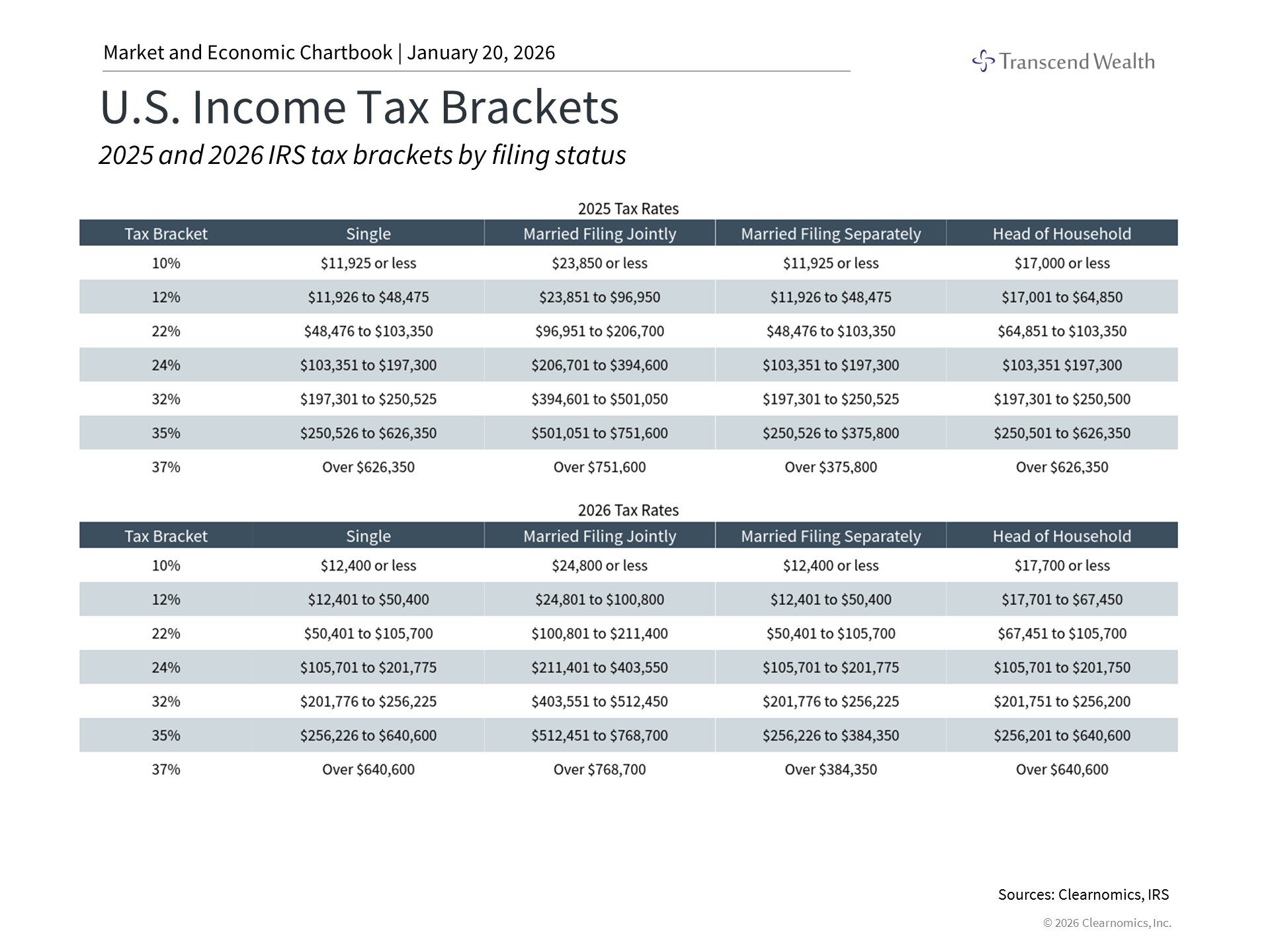
That may sound like success until you remember what happened along the way. Some of those conversions were taxed at 22%, 24%, and in some years 32%. If part of the IRA had been left alone, withdrawals in later years may have been absorbed by the standard deduction or taxed at lower rates.
In other words, they may have paid taxes earlier, and at higher rates, to avoid taxes they may not have owed later.
That is what over-optimization can look like. The math can be technically correct in one narrow area while still missing the larger point.
Thomas Stanley, author of The Millionaire Next Door and The Millionaire Mind, observed that many wealthy people are not just careful with money. They are also excellent allocators of time, energy, and attention.
That distinction matters.
Being thoughtful with money is a good thing. Frugality can be a virtue. There is nothing wrong with mowing your own lawn, doing your own repairs, clipping coupons, or hunting for the best deal if you enjoy it or if the savings genuinely matter in your situation.
But there is also such a thing as being penny wise and pound foolish. Sometimes people spend hours trying to save a few dollars while ignoring decisions that could affect thousands, tens of thousands, or even hundreds of thousands of dollars over time.
The same idea applies beyond money. Every hour spent squeezing another small discount out of a purchase is an hour not spent somewhere else: with family, on your health, in your career, on a hobby, or simply enjoying your life. That is opportunity cost.
That does not mean the details don’t matter. They do. But not every detail deserves the same level of attention.
A useful question is not simply, “Can I save money here?” A better question is, “Is this the best use of my time, attention, and energy?”
If the decision is large, long-lasting, difficult to reverse, or likely to affect your future security, it probably deserves careful thought. If the decision is small, temporary, and unlikely to matter a year from now, maybe good enough really is good enough.
The goal of financial planning is not to optimize every dollar, every purchase, every tax bracket, and every decision until there is nothing left to think about.
The goal is to make better decisions where better decisions actually matter.
Sometimes that means spending real time analyzing a pension option, a Social Security claiming strategy, a Roth conversion plan, or a retirement income approach because those decisions can shape the next thirty years.
And sometimes it means throwing away a fifty-cent coupon because your time is worth more than fifty cents.
The hard part is knowing the difference.